
How Horse Racing Became Part of Britain's Sporting and Social Calendar
Horse racing has occupied a distinctive place in British life for centuries.
Long before many modern sports were formally organised, horse race meetings were drawing spectators, generating discussion and creating occasions that extended beyond the competition itself. Its continued popularity reflects a combination of heritage, public interest and the ability to adapt to changing audiences.
Major events still attract attention from dedicated followers and casual viewers alike. Coverage across television, digital media and entertainment outlets keeps racing visible throughout the year, helping it maintain a position within Britain's sporting and social calendar.
The Early Roots of Horse Racing in Britain
Horse racing developed gradually from informal contests into a recognised sport supported by racecourses, regulations and organised events. Royal patronage played a significant role in its growth, helping establish racing as an activity that attracted attention beyond local communities. As meetings became more structured, larger crowds began attending, creating the foundations for a national sporting tradition.
Writers exploring this period should focus on how racing evolved alongside British society. Public interest increased as more venues opened, and information became easier to access. Strong local connections also emerged, with racecourses becoming important landmarks that helped establish a lasting relationship between communities and the sport.
How Major Race Meetings Became National Events
Events such as Royal Ascot, the Derby, Cheltenham Festival and the Grand National helped elevate racing from a regional pastime into a national spectacle. Extensive media coverage introduced these occasions to wider audiences, allowing people who never attended a racecourse to follow the action and become familiar with the sport's biggest names.
A successful explanation of this growth should highlight the broader appeal of these meetings. Sporting competition sits alongside fashion, hospitality and celebrity attendance, creating events that attract interest from sports fans, entertainment audiences and lifestyle publications alike. That wider reach continues to support racing's place in British culture.
How Fans Engage With The Sport Beyond Race Day
Interest in racing extends far beyond the moments when horses leave the starting gates. Many followers keep track of trainers, jockeys, racecards and seasonal developments throughout the year. Access to previews, expert analysis and regular updates has made it easier for supporters to remain connected to the sport between major events.
Digital platforms have transformed how people follow racing. Readers checking upcoming fixtures, reviewing form or looking ahead to major festivals may choose to bet on horse racing at BoyleSports as part of their overall engagement with the sport. Online resources have helped create a more accessible experience for both experienced followers and newcomers.
The Social Traditions That Grew Around Race Days
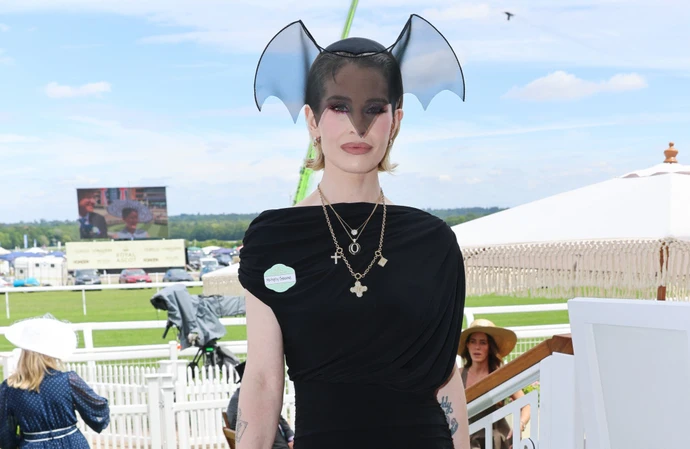
Race meetings have long been social occasions as well as sporting events. Fashion, hospitality and group gatherings contribute to an atmosphere that appeals to a broad audience. Many visitors attend for the experience itself, treating race days as significant dates in their calendars regardless of how closely they follow the competition.
Coverage of these traditions often extends beyond sports pages. Celebrity appearances, style discussions and social media content regularly generate interest among wider audiences. That crossover between sport and entertainment helps explain why racing remains relevant to readers who may not consider themselves dedicated racing fans.
Horse Racing's Place Alongside Britain's Biggest Sports
Football, rugby, cricket and tennis all occupy important positions within British sporting culture. Racing has maintained its status by offering something different. Rather than relying on team loyalty, it allows people to engage through individual horses, trainers, jockeys, courses or specific events that capture their interest.
Its longevity also contributes to its appeal. Generations of families have followed major meetings, creating traditions that continue today. Strong public recognition of racing's biggest occasions ensures that it remains part of conversations surrounding Britain's most significant sporting events.
How Television And Digital Media Expanded Racing's Reach
Television played a major role in bringing racing into homes across the country. Live broadcasts gave audiences access to races they might never have attended in person, while expert commentary helped explain the stories behind the competitors. Greater visibility encouraged more people to take an interest in the sport.
Digital media has expanded its reach even further. News websites, social platforms and video content provide immediate access to interviews, highlights and analysis. Modern audiences can follow developments throughout the season, helping racing remain visible in a competitive media environment.
Why Horse Racing Continues To Attract New Audiences
Many people are introduced to racing through major events that receive widespread media attention. Large crowds, strong traditions and memorable sporting moments create natural entry points for new audiences. Accessible coverage makes it easier for first-time followers to understand key aspects of the sport and stay engaged.
Content creators can support this process by providing clear explanations and practical insights. Coverage that balances expert knowledge with approachable language helps remove barriers for newcomers. Greater accessibility encourages broader participation and supports the long-term health of the sport.
The Future Of Horse Racing In British Culture
Horse racing continues to evolve alongside changes in technology, audience habits and media consumption. Event organisers, broadcasters and racing authorities all face the challenge of maintaining tradition while meeting modern expectations. Success will depend on finding effective ways to engage both established supporters and younger audiences.
Clear communication, responsible promotion and accessible content will remain important factors. Racing's heritage gives it a strong foundation, while ongoing innovation provides opportunities to attract fresh interest. Balancing these elements can help ensure that the sport retains its place within British cultural life for years to come.
Keep Following One Of Britain's Great Sporting Traditions
Horse racing's position within Britain's sporting and social calendar has been shaped through centuries of development, public interest and cultural significance. Its biggest events continue to capture attention because they combine competition, tradition and entertainment in ways that appeal to a wide range of audiences.
Fans and newcomers alike can gain a deeper appreciation of the sport by following major meetings throughout the year. Continued interest in racing demonstrates that its appeal extends far beyond the racecourse, securing its place as one of Britain's most enduring sporting traditions.