From Television to Streaming: Planning an At-Home Entertainment Night
Whether you’re planning around a big televised final or simply trying to avoid spending 40 minutes scrolling through menus, a little thought can make your at-home entertainment feel far more satisfying.
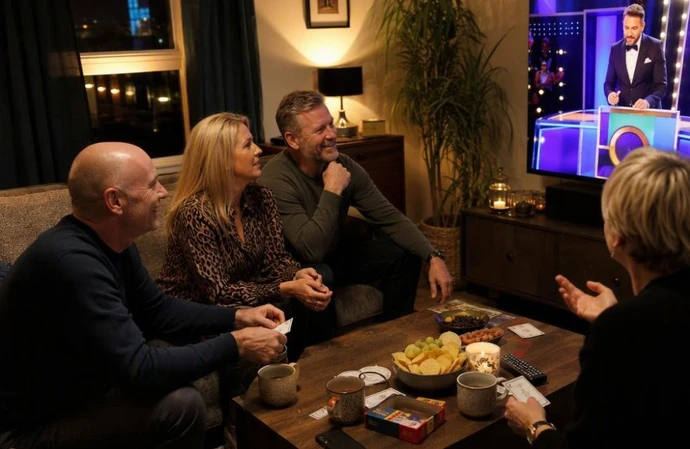
A good night in used to be fairly simple: find what’s on, make a cup of tea and settle on the sofa. Now, there’s rather more choice involved. A game show might prompt a lively family debate, a new streaming release can become the group-chat topic of the week, and a music documentary can send you hunting through old playlists before the closing credits.
That variety is part of the fun. The modern UK night in isn’t just about watching something passively. It’s about sharing reactions, picking favourites, pausing to discuss an unexpected plot turn and, occasionally, taking part yourself.
Whether you’re planning around a big televised final or simply trying to avoid spending 40 minutes scrolling through menus, a little thought can make your at-home entertainment feel far more satisfying.
Why the living room is still the centre of the action
Streaming has changed how we watch, but it hasn’t removed the appeal of gathering around a programme at the same time. Major game-show episodes, reality-TV results, sport, award ceremonies and long-awaited drama finales still create a sense of occasion.
There’s something pleasingly communal about it. You may be watching from your own sofa, yet you know plenty of other people are reacting at the very same moment. Social feeds fill with commentary, group chats light up and somebody always has a strong opinion about the result.
Televised cultural moments work because they give us a shared reference point. They can be grand, funny, emotional or gloriously chaotic. A live performance at an awards show, the reveal in a competition format or an eagerly anticipated new series can all turn an ordinary evening into a proper event.
Streaming, meanwhile, brings flexibility. You can begin when it suits you, split a film across two evenings or choose a documentary that matches the mood of the room. It’s a useful counterbalance to scheduled television, particularly when everyone’s diaries are a bit different.
The trick is not to treat limitless choice as a burden. Think of it as a menu. You don’t need to sample everything.
Game shows prove that taking part matters
Game shows have long understood a basic truth about entertainment: people enjoy playing along. It might be guessing an answer before a contestant, predicting who will be voted through, or arguing over what you would have done under pressure.
That same instinct runs through much of modern entertainment culture.
Audience participation appears in all sorts of forms:
- Discussions after an episode airs
- Companion podcasts and interviews
- Background features about a production
- Shared viewing sessions with friends in different places
Even when there is no official way to participate, viewers tend to create their own. A music documentary might lead to a quick quiz about an artist’s early work. A period drama may prompt a search for the real history behind the story. A tense final episode can become an excuse to make predictions before pressing play.
I find that this is often what separates a memorable programme from something that merely fills the silence. The programme gives you a starting point, but the conversation around it gives the evening its character.
It also explains why companion content has become so popular. A well-made recap, an interview with the cast or a discussion programme can extend the experience without demanding that you start a whole new series. For some viewers, that extra context is half the pleasure.
Film, television and music each bring something different
When you’re choosing what to watch, it helps to think about the kind of evening you actually want. A huge box-set commitment isn’t always right for a Tuesday night, and a serious documentary might not suit a room full of people hoping for a laugh.
Here’s a simple way to narrow it down.
For an easy shared watch
Choose something with a clear format and a natural stopping point:
- A panel programme aimed at adults
- A familiar comedy aimed at adults
- A single documentary episode
- A music performance or concert film
- A light factual series
These work well because nobody has to remember six seasons of backstory. People can chat without losing the plot, and late arrivals aren’t completely left behind.
For a proper occasion
Save these for evenings when people are happy to give them their full attention:
- A film premiere at home
- A season finale
- An awards ceremony
- A live cultural broadcast
- A documentary with a strong discussion point
If you’re making an occasion of it, small details help. Put phones aside for the opening half-hour, sort snacks before you begin and decide whether you’re watching live or catching up later. It sounds obvious, but it removes those little interruptions that can break the mood.
For music lovers
Music documentaries are particularly good at bringing different tastes together. One person may know every album, while someone else only recognises the big singles. That contrast usually makes for better conversation, not worse.
Try pairing the documentary with a short listening session afterwards. Pick a few tracks, compare first impressions and see which songs have stood the test of time. It’s a relaxed way to make the evening feel a bit more personal.
Planning around the big moments without overdoing it
Awards shows, finales and major releases can be fun anchors for a night in, but they don’t need a military-grade plan. The best approach is usually to keep things flexible.
Start with one main event. If a big awards ceremony is running late, you might watch the highlights rather than every category. If a new film has just arrived on a streaming service, make that the centrepiece and keep everything else short.
A balanced plan could look like this:
Choose the main watch
Add one optional extra
Build in a natural finish
Leave room for conversation
It’s also worth keeping celebrity news and programme fandom in their proper place. A famous presenter, actor or musician might be part of the reason a show catches your attention, but your evening should be built around what you genuinely enjoy watching, not around keeping up with every headline.
Making room for interactive entertainment
Watching together is only one option. Some evenings suit a bit more participation, particularly if your group is restless or nobody can agree on a film.
Social games, quizzes, word puzzles and interactive streaming content can all offer a different pace. The point is not to turn the living room into a competition arena. It’s simply to choose something that suits the people present.
- Before you start, ask a couple of straightforward questions:
- How much time do we want to spend?
- Is everyone happy with the choice?
- Do we want something calm, chatty or more focused?
- Are there any costs involved, and have we set a limit?
That final question matters for any paid digital entertainment. It’s easy for separate subscriptions, in-app purchases or paid activities to blur together over a month. Setting a time and spending plan beforehand keeps the decision deliberate and helps the evening stay enjoyable.
Information for adults aged 18+ casino-style games
Some adults may include casino-style games among their wider digital entertainment choices. If that applies to you, keep the context clear: these services are for adults aged 18+ only, and they should sit within a plan you are comfortable with.
Check an operator’s licensing details through the UK Gambling Commission and use available deposit or time limits where relevant. If play stops feeling enjoyable or manageable, step away and seek support through recognised services such as GamCare.
For adults (18+) exploring casino games as one of several at-home digital entertainment options, this online casino UK destination on Bally Casino destination provides further information.
That’s an information resource, not a replacement for choosing what works for you. A film, a quiz, a playlist and a catch-up with friends can be every bit as good a way to spend an evening.
A better night in is usually the simpler one
There’s no shortage of things to watch, hear or play at home. If anything, the challenge is giving yourself permission not to make the perfect choice.
Pick one thing you’re genuinely interested in. Invite a bit of conversation. Keep the extra options in reserve rather than cramming them all in. And if the programme turns out not to be for you, no harm done, switch it off and choose something else.
From game shows to streaming premieres, the strongest entertainment nights aren’t defined by what’s trending. They’re the ones that leave you with something to talk about when the screen goes dark.