Pop
Taylor Swift Puts Artist Control Back in the Spotlight
How Taylor Swift's album re-releases provided the template for artists to regain control of their music.
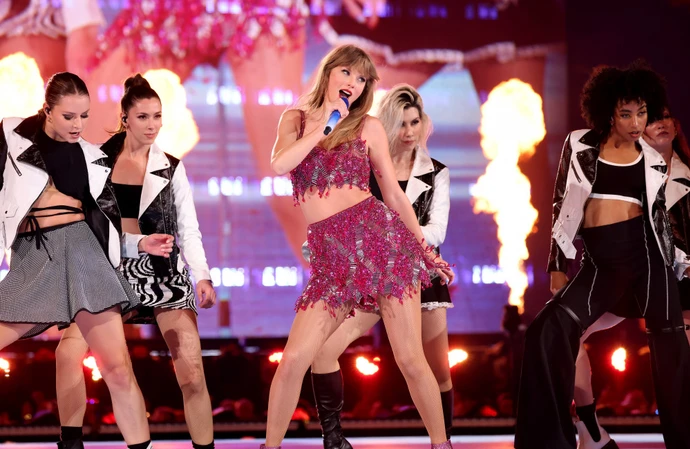
When Taylor Swift began re-recording her early albums, she didn't just make headlines. She sparked a conversation about ownership, creative control and the power dynamics that have shaped the music industry for decades. Her decision to re-record her early albums, followed by her eventual acquisition of the original master recordings in 2025, has become a case study in how artists can push back against traditional industry structures and it's resonating far beyond the world of pop music.
The move has drawn attention from commentators across entertainment and digital media. Maddison Dwyer, who writes about celebrity culture and online audience behaviour, has noted how Swift's strategy demonstrates the evolving relationship between artists and their audiences in the digital age. It's not just about music anymore. It's about narrative control, fan engagement and the ability to shape your own story in real time.
The Shift Towards Artist Ownership
Swift's re-recording project began after the master recordings of her first six albums changed hands without her having the opportunity to buy them outright. She responded by creating new versions of several of those albums that she controlled herself. In May 2025, she went a step further and acquired the original masters, giving her ownership of both the recordings that sparked the dispute and the re-recorded versions released during the campaign. It's a bold strategy that requires significant resources and unwavering fan support, both of which Swift has in abundance.
But the implications stretch beyond one artist's catalogue. Other musicians have started asking similar questions about their own contracts and rights. Some have renegotiated deals. Others have chosen independent routes from the start, bypassing traditional label structures entirely. The conversation has shifted from "this is how things are done" to "this is how things could be done differently."
The parallels exist in other creative industries too. Authors have increasingly turned to self-publishing platforms. Filmmakers distribute through streaming services that give them more control over final cuts. Even visual artists are exploring NFTs and direct-to-consumer models that cut out traditional galleries. The common thread is a desire for autonomy over creative output and the revenue it generates.
Fan Loyalty as Leverage
What makes Swift's approach particularly effective is her relationship with her audience. She's cultivated a fanbase that doesn't just consume her music but actively participates in her career narrative. When she released the re-recordings, fans embraced the new versions in huge numbers, helping turn the project into a commercially successful demonstration of audience loyalty. That level of coordinated support isn't something every artist can command.
This dynamic reveals something interesting about modern celebrity culture. Audiences today want to feel like they're part of the story, not just observers. They'll support artists who appear authentic, vulnerable and willing to fight for what they believe is right. Swift has mastered this balance, sharing enough of her struggles to create connection while maintaining the polish expected of a global superstar.
The entertainment industry has taken notice. Labels now understand that an artist with a dedicated following holds more negotiating power than ever before. Social media has eliminated many traditional gatekeepers, allowing performers to build direct relationships with fans. That changes the entire equation when it comes to contracts, creative decisions and long-term career planning.
Broader Implications for Creative Industries
The ripple effects extend into unexpected corners of the entertainment world. In Australia's iGaming sector, for instance, operators have started recognising the value of authentic brand voices and transparent communication. Players increasingly gravitate towards platforms that feel genuine rather than purely transactional. The lesson from Swift's approach applies here too: audiences reward honesty and consistency.
Casino affiliates and review sites face similar challenges around trust and authenticity. Visitors can spot manufactured enthusiasm from a mile away. They want straightforward information about pokies, table games and bonus structures without the hard sell. The most successful sites in this space have adopted editorial approaches that prioritise reader value over aggressive promotion, much like how Swift prioritises her artistic vision over short-term commercial pressures.
Content creators across industries are learning that control over your message matters as much as the message itself. Whether you're re-recording albums or building a trusted review platform, the principle remains consistent. Your audience will support you when they believe you're acting with integrity and putting their interests alongside your own.
What Comes Next
Swift's re-recording project won't be the last time an artist challenges industry norms. The precedent has been set, and the tools for independent action have never been more accessible. Streaming platforms, social media and direct fan engagement have fundamentally altered what's possible for creative professionals willing to take risks.
The music industry will likely see more artists negotiating for ownership from the start or choosing alternative paths that prioritise control over traditional markers of success. That doesn't mean the old model disappears entirely, but it does mean artists now have options they didn't have a generation ago. The conversation has shifted, and there's no putting that particular genie back in the bottle.
For audiences, this evolution means more transparency and potentially more diverse creative output. When artists feel empowered to make decisions based on artistic merit rather than purely commercial considerations, everyone benefits. Swift's re-recordings have proven there's an appetite for that kind of authenticity, and other creators are paying attention.