Pop
Over the rainbow: how Irish luck and pots of gold found their way into pop songs
How has Irish folklore found its way into popular music?
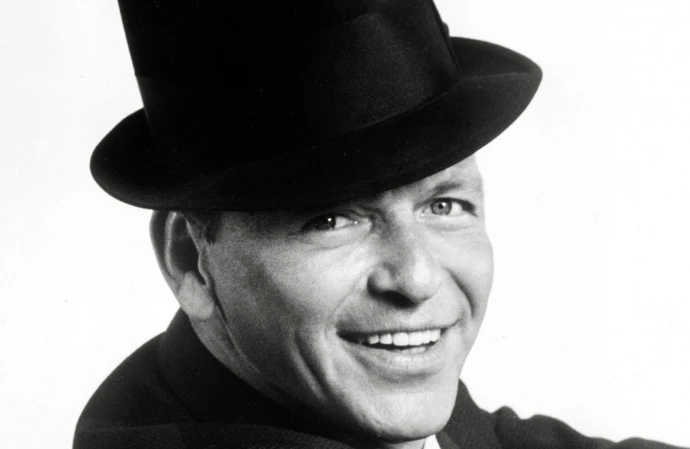
The pot of gold reached popular song by a winding road. It began in Irish folklore, where a leprechaun guards a crock of gold, picked up an American phrase, "the luck of the Irish", and arrived on Broadway in 1947, when the lyricist Yip Harburg, who had already written the words to "Over the Rainbow", built a whole musical around a stolen crock of gold. Its songs went on to be recorded by singers from Frank Sinatra to Petula Clark.
A crock before a pot
Britannica describes the leprechaun as a solitary fairy in the form of a tiny old man, often in a cocked hat and leather apron, who makes shoes and brogues and has a hidden crock of gold. Catch him and keep your eyes on him, and he might reveal where it is; usually, though, the captor is tricked into glancing away and the fairy vanishes. The word comes ultimately from the Old Irish luchorpan, "little body".
The Irish novelist James Stephens made the crock the title of his 1912 novel The Crock of Gold, whose leprechauns live at Gort na Cloca Mora. "A Leprecaun without a pot of gold is like a rose without perfume, a bird without a wing, or an inside without an outside," he wrote.
Luck, American style
"The luck of the Irish" is probably an American coinage. The historian Edward T. O'Donnell traces it to the gold and silver rushes of the second half of the 19th century, when a number of the most famous and successful miners were of Irish and Irish American birth. It was not entirely a compliment. The phrase, he says, carried "a certain tone of derision", as if only luck, not brains, could explain their success.
Harburg's rainbow
The rainbow arrived through Hollywood. In 1939 Harburg and the composer Harold Arlen wrote the songs for the film The Wizard of Oz, and "Over the Rainbow" won the Oscar for original song. The Library of Congress, which now holds Arlen's papers, including the only known lyric sketch for the song, says it is regarded as one of the 20th century's greatest songs.

A leprechaun on Broadway
Eight years later Harburg put the rainbow and the crock together. Finian's Rainbow, with music by Burton Lane, lyrics by Harburg and a book by Harburg and Fred Saidy, opened at New York's 46th Street Theatre on 10 January 1947 and ran for 725 performances. Its hero, Finian McLonergan, has stolen a crock of gold from a leprechaun and brings it to Rainbow Valley, Missitucky, hoping that if he buries it near Fort Knox it will grow. The leprechaun, Og, follows him, slowly turning mortal without his gold. Masterworks Broadway calls the show "a delightful blend of fantasy and social satire", with a bigoted Southern senator as its target.
Glocca Morra, the old home that Finian's daughter Sharon longs for in "How Are Things in Glocca Morra?", does not exist. The name is close to Stephens's Gort na Cloca Mora, though nobody knows if that was deliberate. Several singers recorded the song before the show even opened, and Buddy Clark's version, made in October 1946, reached No. 6 in Billboard. "Old Devil Moon", from the same score, was taken up by jazz players and crooners alike: Miles Davis recorded it in 1954, and Frank Sinatra put it on Songs for Swingin' Lovers! in 1956. In 1968 Francis Ford Coppola filmed the musical, with Fred Astaire as Finian, the pop star Petula Clark as Sharon and Tommy Steele as Og.
The phrase turned around
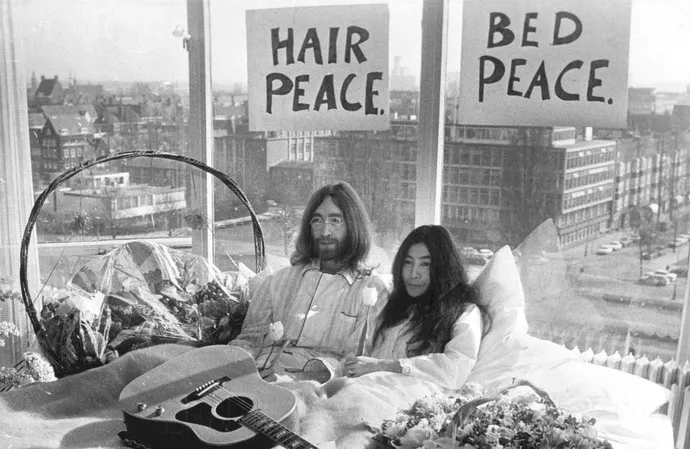
Later songwriters handled the phrase more warily. John Lennon and Yoko Ono turned it into sardonic irony on "The Luck of the Irish", a protest song about Northern Ireland from their 1972 album Some Time in New York City. Dexys Midnight Runners took a different route, through the music itself. Kevin Rowland, the band's leader and the son of Irish parents, has said they "started to bring more Irish influences" in 1982 with "Come On Eileen", which topped the UK chart that August and the US Billboard Hot 100 in April 1983.
Folklore on the reels
The same folklore turns up in games for adults, too. Fortune Games has a guide to 9 Pots of Gold, an Irish-themed slot from Gameburger Studios with four-leaf clovers, leprechaun's hats and harps among its symbols, explaining how its pots and free spins wheel work. The game is for adults aged 18 and over only, and its results are random: the odds favour the house, and no charm, clover or symbol changes a random result.
As for Finian, at the end of the show he sets off again, in search of his own rainbow.
18+ only. Treat any game as paid entertainment, never a way to make money. Free, confidential help 24/7: National Gambling Helpline, 0808 8020 133.