
Pop
Mari Wilson 'didn't love fame' as celebrity pressure made her dream of Cornwall move to 'make scones'
Mari Wilson said the pressures of fame left her overwhelmed, but her love of making music kept her performing and recording.
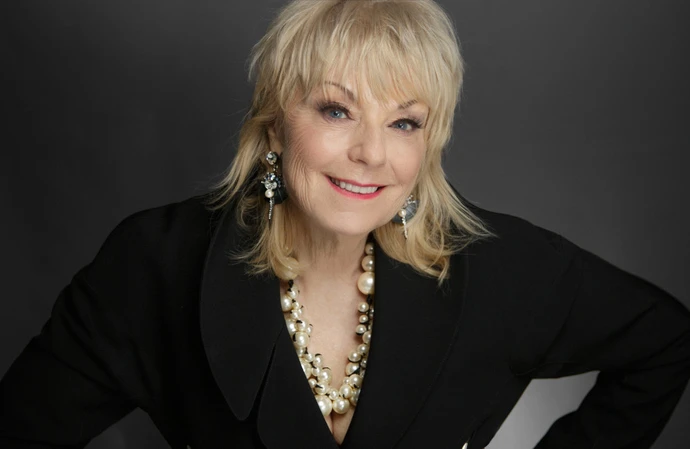
Mari Wilson has spent more than four decades making music, but she never particularly wanted to be famous. As one of the most distinctive figures of the British pop scene of the 1980s, the singer behind the beehive, bouffant and hits including Just What I’ve Always Wanted, Beat the Beat and Cry Me a River found herself catapulted into a world of recognition that she was never entirely comfortable with. She loved performing, making records and being surrounded by musicians, but celebrity itself was another matter, admitting: “I didn't love the fame thing."
Mari, 71, emerged from London’s new wave and mod revival scene in the early 1980s, becoming a familiar face on Top of the Pops and one of the most recognisable singers of the era. Her distinctive retro image and sophisticated blend of pop, soul and jazz influences made her stand out, while Just What I’ve Always Wanted became her signature song and a Top 10 hit in 1982. But with success came a level of public attention that could sometimes feel like an intrusion rather than a privilege.
The star's breakthrough came at a time when the word “celebrity” meant something very different. In an era before social media, influencers and the relentless churn of celebrity culture, being famous for being famous was hardly considered aspirational. In fact, she remembers celebrity as “a dirty word”, something that could even make people feel "ashamed and embarrassed" to be associated with it.
She explained: "I don't think we were called celebrities back then. Celebrities were people that you weren't quite sure who they were or what they did for a living.” Fast forward to today, and Mari is bemused by a culture in which children can dream of fame without necessarily knowing what they want to be famous for, saying: "We've got this celebrity culture. I think we're living in a really weird time, to be honest."
For Mari, the reality of recognition could become particularly overwhelming. She recalled attempting to enjoy a romantic dinner with a boyfriend back in the day, only to have fellow diners shout lyrics from Just What I’ve Always Wanted across the restaurant. Even without her trademark beehive, she could not escape being Mari Wilson, something that became increasingly difficult for someone who simply wanted to do ordinary things like go to the supermarket.
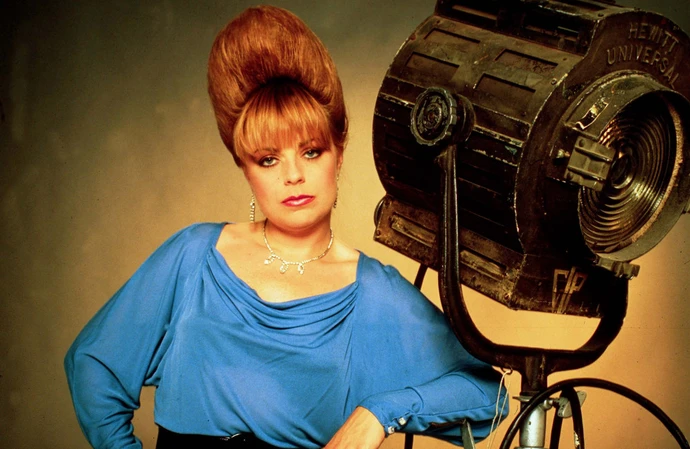
As well as music, Mari Wilson was known for her trademark beehive hairstyle
The experience eventually helped push Mari towards jazz, a world where she could focus on the music rather than the machinery of fame. The entertainer said: "It's not all it's made out to be,” recalling how she was hassled by members of the public and increasingly appreciated the freedom of simply being a musician.
There were even moments when the pressure became enough for Mari to consider abandoning the whole thing, admitting: "Sometimes when those kind of things would get me down, I'd say to my husband, ‘Oh, let's just move to Cornwall, and I'll make scones.’" Her 69-year-old husband, TV producer-and-screenwriter Mal Young, has turned the threat into a running joke, reminding her whenever self-doubt creeps in: “We're not moving to Cornwall for you to make scones!”
Yet for all her complicated feelings about celebrity, Mari never stopped loving music. She said: "I like being in the studio with my band or being on stage with my band. I love being with musicians." That enduring passion has led her to a new chapter with Girl About Town, her forthcoming album, which will be released on September 4.
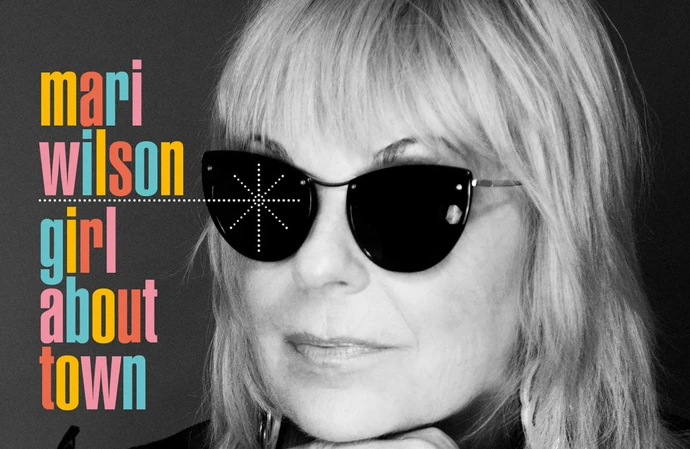
Mari Wilson's new album, Girl About Town, comes out on September 4
And Mari will be taking that new music, along with the songs that made her name, out on the road later this year, with dates at London’s Cadogan Hall on October 4, the Music Room in Liverpool on November 7 and Otley Courthouse in Otley on November 8.
From the beehive and Top of the Pops to jazz clubs, studios and a new collection of songs, Mari's story is proof that escaping the trappings of fame never meant escaping the music. The celebrity may have been complicated, but the music was always the thing she loved.
ContactMusic spoke to Mari ahead of her releasing Girl About Town about the album, earning an Emmy nomination after writing a song while jet-lagged, an EastEnders star being one of her backing vocalists, and adapting to being a singer in a digital age...
Girl About Town album comes out on September 4th. You must be really excited about it.
I am because it's been 10 years since my last album. And it's been a long time since an album of original songs. My last album, which was called Pop Deluxe, sort of came about because I played Dusty Springfield in a musical for nearly a year, up all the number one theatres up and down the country. People kept saying, ‘Are you going to do it? Why don't you do a gig with Dusty songs?’ So I did, but then I realised that Dusty didn't really have that many up-tempo songs. A lot of them were ballads. And, you know, when you're gigging, it's got to be light and shade, really. And there was a bit too much shade.
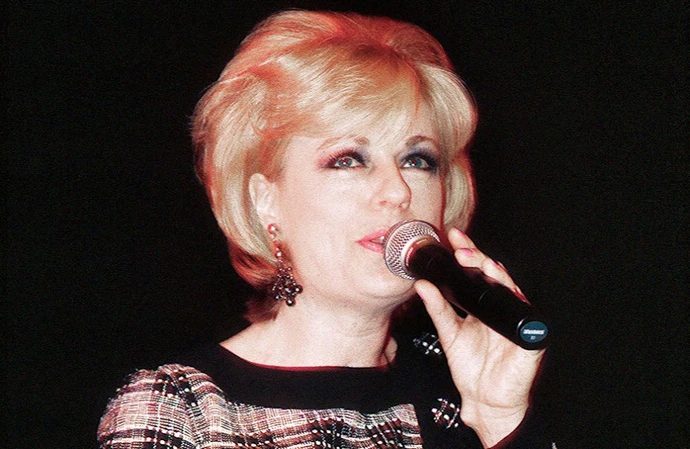
Mari Wilson as Dusty Springfield in the musical, Dusty
So then I introduced Petula Clark songs, Sandie Shaw, loads of Burt Bacharach songs actually, and it became the Pop Deluxe album, which I really enjoyed making. And we really worked hard at making the songs our own interpretations because I can never understand if someone covers a song, why they do it the same way as the original. That is madness to me. It should be different.
Anyway, I was touring; it was all going well. Then lockdown happened. And when we started to come out of lockdown gradually, a lot of us musicians who gigged a lot found it quite difficult to know what to do next. And I thought, ‘I can't keep touring this album because I've been doing it for so long.’ And also, the music industry changes so quickly, and it really, really changed.
It's really weird that you hear about a singer or someone, and I'm not talking about Raye because she's been around a long time. I think she's fantastic. But suddenly they've got a couple of hits, and then they're doing stadiums, and I'm thinking, ‘Whoa, they've gone from here to here so quickly.’
That never used to happen. When we were young, we used to go to loads of gigs. I was probably going to about four gigs a week, whereas I think young people now, because we were going to pub gigs, small clubs, maybe Hammersmith Odeon was the biggest place. I mean, I saw Led Zeppelin at the Albert Hall when I was about 13, but generally that's what it was like, and it was quite cheap.
Whereas I think now it's become like an event. They have to pay for the ticket, which is a few hundred pounds. They go out for dinner, they might stay in a hotel. They're spending nearly a thousand pounds on this event, so they only go to a couple of gigs a year. I mean, I'm not talking about everybody, but I would say the masses kind of do. It's become the thing.
So the smaller gigs, it's hard. But I prefer smaller gigs anyway. A lot of those smaller gigs have disappeared as well.
So anyway, am I excited about my album? Yes, I'm very excited.
I wasn't planning to make an album. A friend of mine, Adrian York, who I hadn't seen for ages, just emailed me and said, ‘What are you doing? Do you fancy writing some songs?’ And I said, ‘Yeah, all right. Let's do that.’
After we'd written four or five, I thought, ‘Oh, I really should put a new album out soon. And these are sounding really good.’ So it happened very organically, very naturally. There was no - I didn't feel like I had anything to prove. I didn't have a record company saying, ‘You've got to come up with a hit’ or anything.
That's the great thing about getting older, actually, that you do exactly what you like. So I wasn't really thinking, ‘Oh, this has really got to be something.’ It was just very honest and enjoyable and very kind of up. Most of the songs are quite up on it, really, or have a positive message.
And there's a bit of humour in there on Man About Town, which is loosely based on someone I know, funnily enough. But I wanted to write a song that was a bit like - there was a TV show called Randall and Hopkirk Deceased. And the music, the backing, is very similar.
And then Tomatoes in the Fridge is quite amusing, but also quite moving at the same time. So there's nothing really down about it. It's quite a positive, upbeat album.
And that's always nice because people use music to escape from the real world. So for them to feel uplifted is a lovely thing about the album.
Well, I think so, because I think that's Just What I've Always Wanted did for people. It's very happy and optimistic; it's got a great chorus and everything.
And I think the other thing is it's very honest. A lot of the stories on there are true. There's a track on there called Kaleidoscope, and a lot of the - you know, because I'm thinking that people must be thinking I'm high as a kite writing this, but some of the experiences I was probably high. It was a long, long time ago when we were in New York.
But I did hear a guy singing opera in the park in Ally Pally, in the car park. I was wandering around. I went for a walk, and I thought, ‘Where's that singing coming from?’ As I walked past the car park, there was a man standing in the empty car park. He must have been practising, rehearsing or whatever. And it was beautiful; I sort of listened for a while.
I'm old. I’m 71, so I've got lots of stories to tell. And so I told them on this album.
And I think with music, inspiration and ideas can come from absolutely anywhere. Like you said, with the opera singer in the park, you always have to keep your eyes and ears open.
Yeah, you do. You have to. I remember I used to go to Hampstead Heath, and sometimes I'd sit by the pond, and I'd write down conversations of people as they walked past. And then I'd look at them when I got home. And some of them were amazing.
It's funny, the things you hear people say. You just get a snippet of it, and you think, ‘Oh, I wonder what the rest of that story is.’ So you find it everywhere, really.
And I think because I started out as very much a pop-soul singer, but then in 1986, I think it was, I disappeared from view and went into jazz. For lots of reasons; I wasn't enjoying what I was doing. I didn't like where everyone wanted me to go musically. It wasn't what I wanted. And I just needed to get out, really.
I didn't want to become an artist who sang at the end of the pier. And I think I’ve only done the ’80s shows/festivals. First of all, there's loads of people on. So the audience haven't come to see you. They've come for the day, and it's a nostalgia trip.
And I mean, I'm not criticising the people that do it, but I've done loads of stuff since the ‘80s. Loads of different stuff and made lots of different types of albums. And I sang jazz. I was in the jazz world for 15 years playing Ronnie Scott and everything. I don't want to just go and sing my ‘80s stuff.

Mari Wilson performing at Rewind South in Henley-on-Thames in August 2016
Could it be said that, having moved on from songs like Just What I’ve Always Wanted and Cry Me a River, you’ve entered a new chapter?
Yeah. I've done lots of different things, and I've always looked forward and thought, ‘What can I do next? What else would be interesting?’ And it just doesn't appeal to me. And it's often they have a house band, so you haven't got your own band. And my own band is very important to me. It’s because I want to sound like they make me sound. So there's all of that stuff.
So what I was going to say was, this album is kind of like a hybrid of pop, soul and jazz, the three sort of genres that I feel - well, that I've been singing those genres since I started. And so now it's like a mixture. Some of the tracks are slightly jazzy, but it's mainly a pop album, really.
Why did it take 10 years to make the album?
I had Pop Deluxe out, as I say, and I was touring that. I started doing some different types of things at the beginning of 2020 up until March when we had lockdown.
So 2016, Pop Deluxe came out. So 2019, I was still touring it, which is kind of about right. Three years. You were making an album every three years for quite a long time.
And there was probably another one due, but lockdown happened, and then all we did was drink rosé in the garden for a year. I didn't really do anything. Some people were performing on their computer and stuff, but I think I just wasn't quite sure what I was going to do next.
So that takes us to 2020. I think I heard from Adrian maybe in 2021/2022. And that's when we started writing. But it wasn't like I was going around there every day. I probably go once a week, if that, or sometimes once every couple of weeks. And so we'd finish what we started before, and then we'd make a start on another song, and then, ‘Bye,’ because I had maybe the odd gig; he teaches music at the University of Westminster, and he's got his own gigs and stuff.
So it was very casual and laid-back until we got, as I say, to about the fourth or fifth song and it was like, ‘Wow, these songs are sounding really good.’
So that's why it took so long, because it wasn't like, ‘Let's go and make an album.' And also, I don't use a studio. It's too expensive. We do everything around at Adrian's, and then I send the files or the stems to my drummer, and we have a conversation about what I want him to play.
And then Adrian's a great orchestrator, so he's great at bunging in a French horn, which I love, and things like that. He's very, very good at that.
So that's why it took so long, because I didn't feel like I was in a hurry, which isn't a good thing. It's better to have a deadline, really. Well, actually, the deadline was this time last year or whenever it was. I said, ‘We've got to have this album finished by the end of the year because I want it to be coming out next year.’
And eventually we did, and then here we are.
Do you feel you have a much better experience now because you're taking your time writing songs, rather than back in the day when you were rushing around trying to get a record out every month or whatever it was?
I don't know, really, because I'm very good with a deadline. I think most people are. Whereas if it's open-ended, you think, ‘Well, I'll finish that tomorrow,' because in 2017, my husband, who's a TV producer and writer, he was producing a soap in America called The Young and the Restless. And I was over there, and I was leaving the next day, on the Wednesday, and he said, ‘Oh, we need a song for this storyline.’
This old lady in the show, she's got dementia, but the one thing she remembers is this song that she used to sing to her kids, and they didn't have a budget where they would, like, ring up Elton John and say, ‘Can we have that song?’ They needed someone to write a song.
So he said, ‘Can you write like a lullaby or something like that?’ And I said, ‘Well, I can have a go. When?’ He said, ‘Well, I quite like to get it by Friday night.’ I said, ‘Well, I don't get back to London until tomorrow.’
So I did it kind of jet-lagged, and I was sitting here actually with my mobile phone, and I just started singing it into my phone. And I thought, ‘Well, it's got to be done by tomorrow.’ And so I kind of finished it and sent it to him.
And of course, we'd had the conversation where I said, ‘Look, if you think it's absolute s***, you're going to have to tell me that because you can't submit it and play it in your show if it's not very good.’
But he loved it. And then I got nominated for an Emmy!
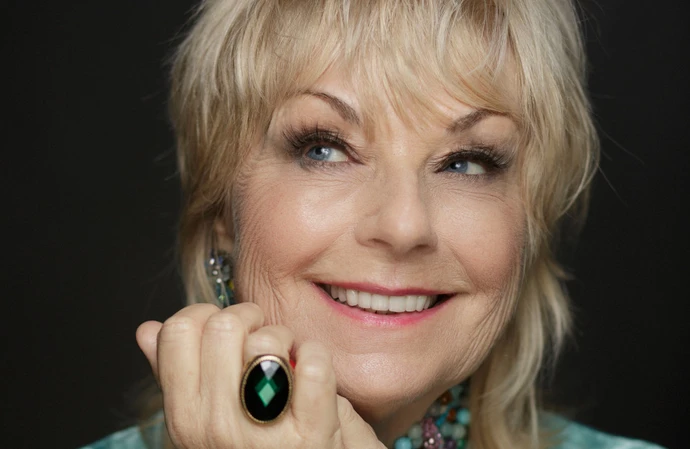
Mari Wilson was thrilled to have been nominated for an Emmy award
That's an extreme example of getting it done in no time. So I don't know if I'm a bit Scarlett O'Hara, ‘Oh, I’ll do it tomorrow.’ I think it's better to have a deadline, but what was good about spending so much time on it is that we kept saying, ‘Oh, should we put a bit of something in there? More guitar,’ because we're quite maximalist in a way of putting everything on there, because I quite like that.
How did it feel to be nominated for an Emmy?
Oh, it was amazing. We went to the Emmys. It was a massive thrill. And I've got my certificate and everything. And I've had a couple of people cover it as well, which is amazing. It is quite a cute little song, really. And I do sing it on stage, not all the time.
Going back to Girl About Town, you've said you're excited to be releasing new music at 71. Did you ever think you'd still be making and releasing music in your 70s?
I've never thought about it, but I think when I went into jazz, that's when I thought, ‘Oh, I can do this till I drop,’ because that's what jazz singers do. And jazz is about the performance, not the product. You go to a jazz gig. They're not advertising their latest album. They might have a record out, but not all the time. It's all about playing live and learning your craft and getting better at it as a live performer, which I loved.
And I learned so much working with these musicians, fantastic musicians. Guy Barker was my trumpet player. Simon Hale was my keyboard player. And he's doing the music for loads of theatre productions and stuff. Fantastic drummers like Andy Gangadeen; he's in Chase and Status. He was my drummer for a while. He's fantastic. He's like a metronome. And another guy called Neil Wilkinson and Ian Thomas. And I've got a great drummer now, a younger guy called Tim Goodyear.
I learned an awful lot from working with those guys. But then Guy Barker says he learned a lot from me because I don't read music. I can kind of follow the melody, the dots and that, but I can't; I'm not a sight reader. Of course, all of these guys are.
And we'd come off stage sometimes because we used to do a lot of call and response together, and he said, ‘Don't ever learn how to read music.’ And I said, ‘Why?’ And he said, ‘Because you do things that shouldn't really work, but they do work.’ And he said, ‘That's interesting for me because I'm following you and doing a response thing with you.’ And I thought, ‘Wow,’ because I suppose if there aren't any rules, or if you're not aware of any rules, if that's the right word, you're just going to be free to do what you like. So he said he learned a lot from me. But likewise with him. So I probably thought then, ‘Well, I can do this till I drop.’
But as a pop singer, I probably didn't think that. But now I'm kind of doing a bit of everything, really.
Some of the songs on Girl About Town have that pop and jazz element, while Lost on the Dance Floor goes back to the ‘80s, when you were mixing at the Camden Palace with Boy George, Eurythmics and Visage. Love Letter, meanwhile, is inspired by Bruno Mars and Anderson .Paak’s Silk Sonic. It’s nice to have that balance of modern sounds and nostalgia. Why is it important for you to honour the ‘70s and ‘80s while still embracing modern-day music?
Well, I suppose with this album, because I wanted to tell some stories, really. As you said, Lost on the Dance Floor is all about going to Camden Palace on a Thursday, which is the night that all the pop stars went, so bizarre. And hearing Frankie Goes to Hollywood’s Relax, the first time at Camden Palace. And it blew everyone's mind. It was amazing.
Soho's still my most favourite place in the world. But it was very, very different back then. It's got quite gentrified, I suppose, now. It was a bit scary and a bit seedy, but I quite liked it. There was a club called Pandies, and we used to go there at like midnight, and you'd knock on the door, and they'd go, ‘Yeah, come in.’ And you could drink till like six in the morning. I think it was totally illegal.
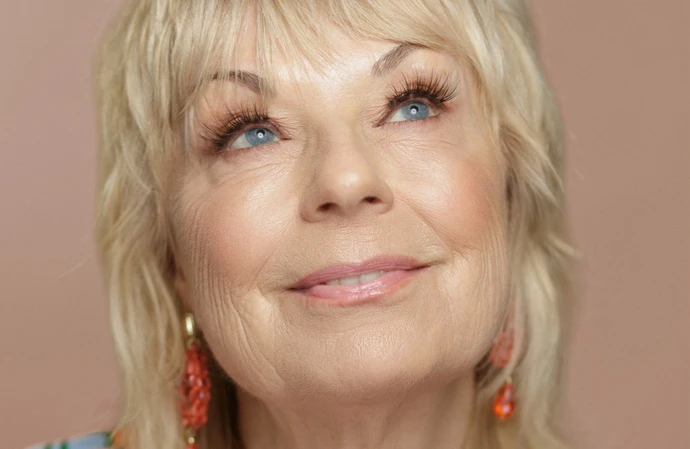
Mari Wilson wanted to tell stories from her life as a singer on Girl About Town
Yeah, I mean, we used to do things like that, and so I just wanted to talk about it because it was a great time.
I think it's quite hard starting to become an artist. You listen to Raye and her story. I mean, she is so talented that it would have happened for her anyway. Whatever would have happened, I think, because she's so good.
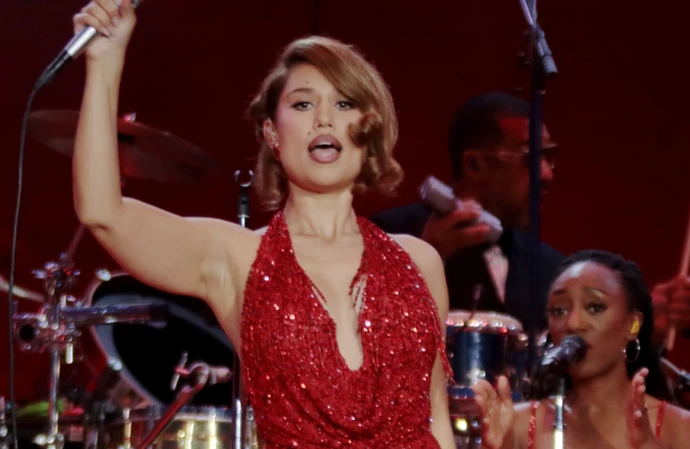
Mari Wilson adores Raye
But I think it's really hard for artists to make any money. At least back then, the record companies paid for everything. I know you're paying for it really, but in that moment, they'll get you a cab or get you on a plane and things like that. And also you sold records, physical records, and people were going to a record shop and buying your record. They couldn't listen - well, they used to have these little booths in record shops, and you could listen to stuff, but you couldn't listen to things for free. You had to buy the product.
And I think when I look at my streaming, it's like, ‘Really? I've had that many streams?’ And I'm getting paid what, £2.15 or something? I think it's very hard.
And also, what I'm not keen about today is a lot of kids want to be famous. But they're not quite sure what they want to be famous for, but they want to be famous.
And I think if you were to go into a classroom and say to the kids, ‘Right, who wants to be a musician? Who wants to be a singer?’ I bet most of them would put their hands up. Whereas 40 years ago, maybe one or two, and the rest would be, ‘Well, I want to be a train driver. I want to be a doctor. I want to be…' But we've got this celebrity culture.
In the ‘80s, the word celebrity - you'd be ashamed and embarrassed if somebody called you that.
Were you ashamed to be called a celebrity back then?
I don't think we were called celebrities back then. That's what I mean. Celebrities were people that you weren't quite sure who they were or what they did for a living. There was a woman called Amy MacDonald, and she was often on quiz shows and things. She was cute, but I don't know what she did. But she was a celebrity.
And so it was a kind of dirty word then, but now it's become this amazing thing, and influencers, like telling you what mascara to wear. I think we're living in a really weird time, to be honest.
And you were so young as well, so I imagine it must have been quite challenging at times to navigate fame at such a young age.
It was. In fact, that's why I kind of went into the jazz thing, because it's not all it's made out to be. You can get hassled. I used to get hassled.
I remember going out for a really romantic dinner with my boyfriend, who I was with for a very long time, 18 years in fact. It was at the beginning of our relationship. We went to this restaurant and all the people in there were shouting things and singing Just What I've Always Wanted, which was OK, but I felt, ‘Oh.' I didn't have my beehive in, but I didn't really like - I quite like doing ordinary things. I quite like going around the supermarket.
That's one of the things I used to love about Bonnie Tyler, God rest her soul, because she was so down to earth. She said, ‘I just want to sing. I'm just happy singing.’
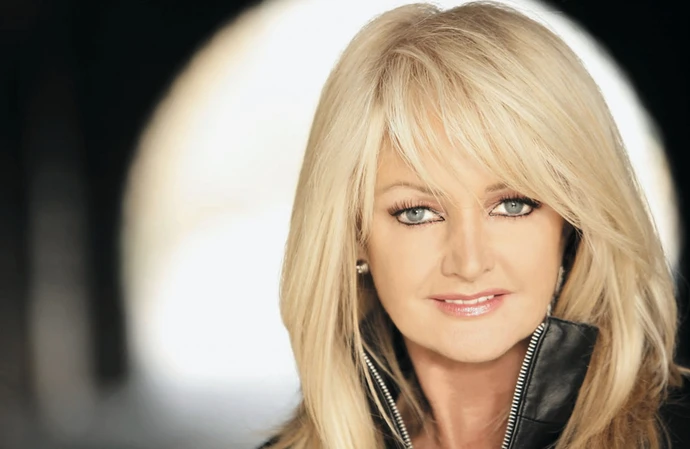
Bonnie Tyler died in July 2026 at the age of 75
So, yeah, being a celebrity, I'm not - I mean, I know it gets used a lot these days. Someone said to me at the gym the other day, he came up to me and said, ‘Oh, what's it like being a celebrity?’ I said, 'I'm not a celebrity! I haven't had a hit for years!’
But does it ever get to the point where being recognised becomes too much, and you think, 'Should I just stop making music and get an ordinary job?'
Yeah. Sometimes when those kind of things would get me down, I'd say to my husband, ‘Oh, let's just move to Cornwall, and I'll make scones.’ So now every time I'm doubtful about something, he says, ‘We're not moving to Cornwall for you to make scones!’
But, yeah, well, for me, people are different, I suppose. Madonna, she seems to really, really love it and always has, whereas there is a part of me that's quite shy, believe it or not.
I like being in the studio with my band or being on stage with my band. I love being with musicians. British musicians are very funny and great to be with.
And, yeah, I didn't love the fame thing.
Michelle Collins was one of your backing singers. What was it like working with her? Did you ever think she would go on to do such great things, like EastEnders?
Michelle was younger than me. She was like 18 or something, and she wanted to get her Equity card, which you needed to be able to be an actor. So, yeah, she wasn't in it for that long, but she was in it right at the beginning.
I still see her. She only lives around the corner. I still see her quite a lot.
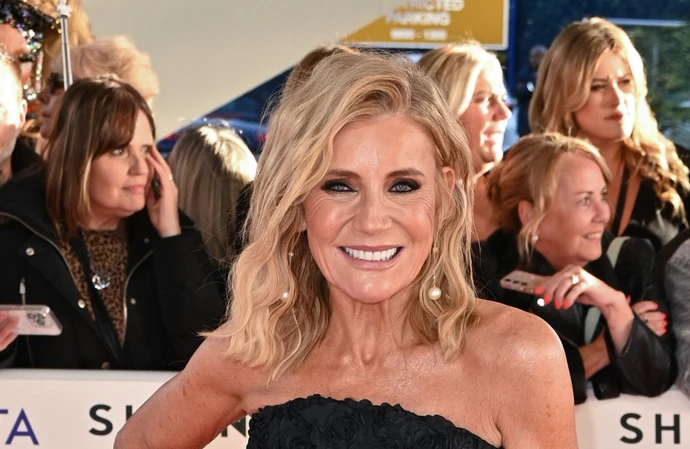
Michelle Collins was one of Mari Wilson's backing singers
You must be so proud of how far she's come since being one of your backing singers.
Well, I know. It's funny, isn't it? And my other backing singer, Julia Fordham, you know, I mean, she's done really well. Everyone in the Wilsations went on to do pretty good things, really. They're all still kind of in the business, as it were.
And Mari, looking back on your illustrious career, what are you most proud of?
Being on Top of the Pops, I suppose. I've been watching it since I was tiny and determined to be on Top of the Pops. I even told the headmistress that I didn't need to learn about Henry VII because I was going to be on Top of the Pops, and it wouldn't be necessary to know anything about him. I think I got a detention for that.
And then when I was on Top of the Pops, it was like - because some people say, ‘What was it like?’ And I go, ‘Well, I just thought, ‘Yep, this is exactly how I thought it was going to be. And here I am, and I'm finally on Top of the Pops.’'
So it sounds a bit shallow, really, but for a young person, Top of the Pops was so important. I think that, yeah.
What was your experience like on the show, working with the presenters and audience?
It was great. And also, I had a 12-piece band, but they said, ‘You can't have all 12.’ The BBC said, ‘No, we can't pay all those people. It's too many.’ So I think there were eight of us instead. We didn't have the backing singers. So, yeah, something like that.
Anyway, it was just great. And meeting other bands, like Shalamar, Dexys Midnight Runners, loads of other artists. And then everyone would go to the bar upstairs at the BBC. And you'd all get to know each other. I don't know what it's like now with pop people, but it was very friendly. There didn't seem to be any jealousy or competition because we were all so different. We've lost that a little bit, because if you looked at Culture Club, the Eurythmics, the Thompson Twins, Human League, me, we were all very, very different musically and visually.
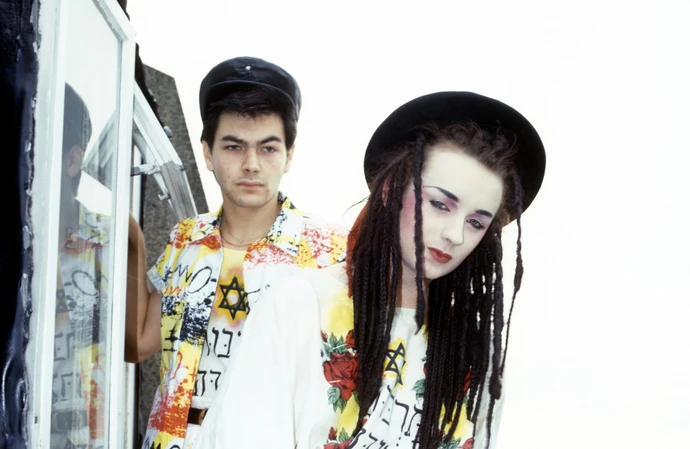
Culture Club's Jon Moss and Boy George
And I think we've lost that a little bit because there are so many girl singers that are wearing sort of bejewelled bodysuits. It's like, try and think of something a bit different, you know, to make you stand out a bit. That's my opinion.
The music industry has changed so much, from how artists get signed to how they promote their work. Are you glad you did it back in the day rather than starting out now?
Yeah, because I know for a fact that a lot of record companies want to know how many followers you have before they sort of look at you. I mean, that's terrible.
They should just base it purely on talent, shouldn't they?
Yeah, which I’m sure they do to a degree, but I mean, I've had to work really hard on social media because of my age; it's not my natural thing to do. So I have been embracing it somewhat, but if I wasn't a singer, I probably wouldn't bother with it at all. It's very time-consuming. All the admin I have to do and the social media I have to do, it's like, ‘God, when am I going to be able to sit down and write a song? Maybe.’ But I'm at the computer all the time.
But it has to change. And there's some great stuff happening out there. I mean, I love Bruno Mars.
Mari Wilson's new album, Girl About Town, is out on September 4. and can be pre-saved here.
The star is also performing live towards the end of the year:
October 4 - Cadogan Hall, London
November 7 - Music Room, Liverpool
November 8 - Otley Courthouse, Otley
For more details, click here.