
The Soundtrack of the Spin: How Rock Legends Conquered Branded Entertainment Verticals
How have legendary rock acts conquered branded entertainment verticals?
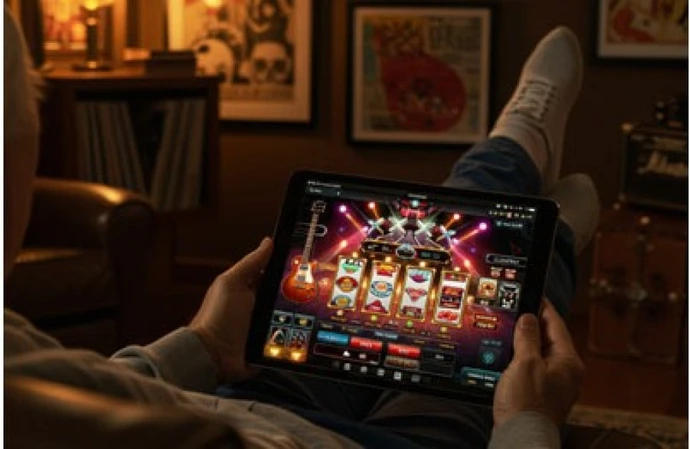
Have you ever sat back and wondered how your favourite rock stars managed to stay so incredibly relevant decades after their prime? It is a fascinating phenomenon. Once upon a time, rock and roll was the ultimate symbol of rebellion; it was about sweaty clubs, torn leather, and parental disapproval. Yet, if you look around today, you will find those very same counterculture icons headlining massive multi-media brands. They have stepped far beyond the boundaries of vinyl records and stadium tours, successfully carving out a permanent home in the wider entertainment world.
This transition was not a sudden accident. It was a highly calculated, entertainment-first shift designed to keep the music playing for generations to come. From craft beers to high-end fashion, rock royalty has mastered the art of the crossover. But perhaps the most intriguing frontier they have conquered is the digital space, where legendary riffs and iconic imagery have been seamlessly integrated into interactive games.
The Ultimate Rock and Roll Crossover
To understand how we reached this point, we have to look at how the music industry itself has evolved. There was a time when a band’s survival depended entirely on album sales and grueling touring schedules. If you did not release a record every two years, you risked fading into obscurity. But the greats quickly realised that their fans wanted something more permanent. They wanted a lifestyle brand.
Bands like Iron Maiden, Motörhead, and Guns N' Roses were pioneers in this regard. They did not just sell music; they sold an identity. Whether it was Iron Maiden’s mascot, Eddie, appearing on everything from t-shirts to beer bottles, or Kiss licensing their brand to literally thousands of products, these musicians understood the power of visual merchandising. They turned their bands into living, breathing worlds that fans could interact with daily.
This focus on entertainment-first ventures allowed rock legends to transcend the limitations of physical age and changing musical trends. When a band stops touring, their legacy can easily collect dust. By branching out into new verticals, however, these artists have ensured that their intellectual property remains fresh, engaging, and accessible.
It is a clever way of future-proofing their art. A teenager today might first encounter the snarling vocals of Lemmy Kilmister not through an old cassette tape, but through a highly polished digital game. This crossover does not dilute the rebellious spirit of rock; rather, it adapts it for a modern audience, proving that great rock and roll never really dies, it simply finds new stages to perform on.
Licensing Legendary Riffs
The process of translating a legendary rock band into an interactive digital experience is incredibly complex. It is not a matter of simply throwing a famous logo onto a screen and calling it a day. Today's audiences are far too savvy for that; they can spot a lazy cash-in from a mile away. To create a successful branded game, developers must capture the very soul of the band.
A standout example of this is the famous rock trilogy developed by NetEnt. This ambitious project set out to pay tribute to three of the most influential acts in music history: Guns N' Roses, Jimi Hendrix, and Motörhead. The goal was to build a series of games that felt less like software and more like a front-row ticket to a historic gig.
The developers worked hand-in-hand with the bands' estates and management teams to ensure every detail was perfect. For the Guns N' Roses game, this meant integrating actual concert footage, stage-lighting effects, and a customisable playlist. When you load up the game, you are immediately blasted with the opening chords of "Sweet Child O' Mine" or "Welcome to the Jungle," and you can choose which track plays in the background while you interact with the game.
Designing these games requires a deep appreciation for the source material. In the Motörhead title, the developers paid homage to Lemmy’s famous love for fast-paced music by introducing a "Rock Mode." When activated, the game pumps classic tracks like "Ace of Spades" and "Overkill" through the speakers at maximum volume, accompanied by dark, metallic visuals that mirror the band's gritty aesthetic. It is a masterclass in how to merge audio-visual licensing with interactive media, creating an authentic experience that resonates deeply with music lovers.
The Crossover Appeal
Why is it that music fans find themselves so drawn to these interactive digital environments? The answer lies in nostalgia and the desire to relive the incomparable energy of a live concert. For many of us, attending a rock gig is a defining moment. There is nothing quite like the collective roar of a crowd, the bass rattling your ribcage, and the sense of shared community in a packed stadium.
These branded games are brilliantly designed to replicate that specific feeling. They serve as miniature digital concerts where you are not just a spectator; you are actively driving the show. When you hit a successful combination on the screen and it triggers a virtuosic guitar solo from Slash, complete with flashing stage lights and virtual pyrotechnics, it evokes a genuine emotional response.
It is a form of interactive escapism that allows fans to reconnect with the music they love in a completely new format. You do not need to wait for a reunion tour or dig out your dusty record player to experience the thrill of a stadium gig. By stepping into these digital spaces, you can enjoy a heavy dose of rock nostalgia on your own terms, making it a highly appealing pastime for anyone who lives and breathes music history.
Spinning with Strategy
While basking in the classic riffs and concert atmospheres is incredibly entertaining, transitioning from a casual music fan to an active player requires a shift in approach. If you are planning to explore these rock-themed games, it is highly beneficial to move past the music trivia and apply some tactical thinking to your gameplay.
Smart play begins with robust bankroll management. It is very easy to get swept up in the high-voltage energy of a heavy metal soundtrack, but keeping a cool head is vital. Setting a clear, firm budget before you begin, and sticking to it, ensures that your session remains enjoyable and strictly within your comfort zone.
For fans who want to take their gameplay to the next level, understanding the inner workings of these titles is essential. If you are looking to explore music-themed jackpot slots, taking the time to read up on strategic advice can be incredibly valuable. Learning how paylines operate, understanding the role of volatility, and knowing how to make the most of unique bonus features—like the "Crowd-Pleaser" round in the Guns N' Roses game—will help you play with confidence and keep your experience well-balanced.
Please remember to always play responsibly. Gaming should always be treated as a lighthearted form of entertainment, never as a way to generate income. Only play with money you can comfortably afford to lose, take frequent breaks, and utilise the safety tools provided by reputable platforms to set your own limits. By keeping your play safe and structured, you can ensure that the soundtrack to your session remains a fun, positive experience from the first riff to the very last spin.