
Pop
From Wild Dances to Haunting Melodies... These are the Primal Beats, Ancient Rhythms and Shamanic Sounds of the Eurovision Song Contest
From ethno-pop to futuristic folktronica, Eurovision transforms heritage into a soundscape where folklore meets future ruin...
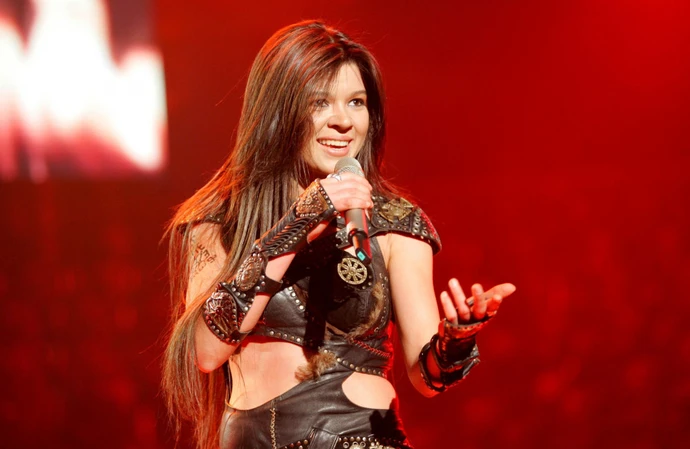
There’s something primal pulsing beneath the glitter of the Eurovision stage. Beyond the pyrotechnics and power ballads, lives something deeper, darker and untamed.
It hums through pounding drums, echoes in haunting woodwind melodies, and erupts in dances that feel possessed, as if the body was summoned with the pulsating rhythm.
You can see it in Wild Dances by Ruslana, all thunderous percussion and Carpathian ritual, or in Mata Hari by Efendi, where sinuous, snake-charming rhythms coil around a modern pop spine.
While Eurovision has always thrived on spectacle, it’s become an unlikely site for cultural excavation by tapping into something ancient and primal.
Across borders, artists are digging into ancestral soundscapes.
Tribal percussion, ethno-pop hooks, and traditional instruments like the gaida, kaval, and gusle are fused with industrial beats and dystopian production.
The result is a sound that feels both feral and futuristic. Music that belong as much to an ancient forest as to a dystopian rave. Where shamanic sounds, Balkan brass and Slavic folk textures collide with the metallic pulse of post-apocalyptic pop.
Justyna Steczkowska - Gaja (Poland 2025)
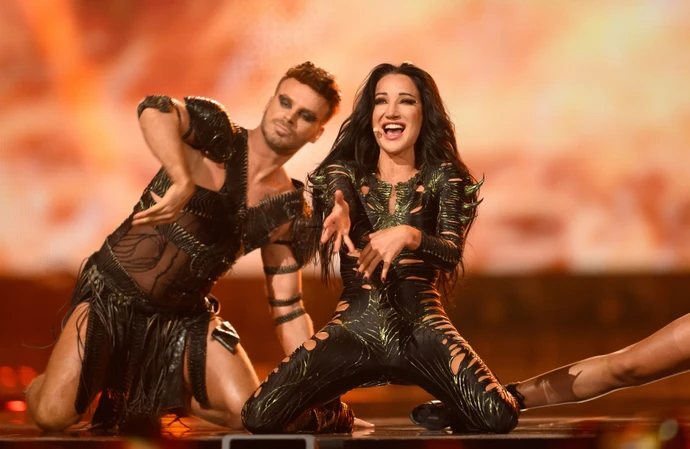
Justyna Steczkowska for Poland at ESC 2025 / Credit: Getty
Resurrecting Gaia
In 2025, legendary pop diva Justyna Steczkowska brought an ethereal, cinematic mystique to the Basel stage representing Poland with her dark, atmospheric folktronic anthem Gaja.
The performance served as a hypnotic ritual, layering Steczkowska’s trademark operatic vocal soaring over deep, thumping industrial synthesizers, while tribal visual projections and a fierce, earthy choreography brought the spirit of Mother Nature to life.
Having already sustained a massive, multi-decade career as one of Poland's most enduring vocal icons and a beloved judge on The Voice of Poland, her triumphant 2025 return introduced her avant-garde artistic depth to a whole new generation of global viewers.
The haunting, electronic nu-folk masterpiece stands out as a definitive peak of visual storytelling in the contest's history.
Marina Satti - Zari (Greece 2024)
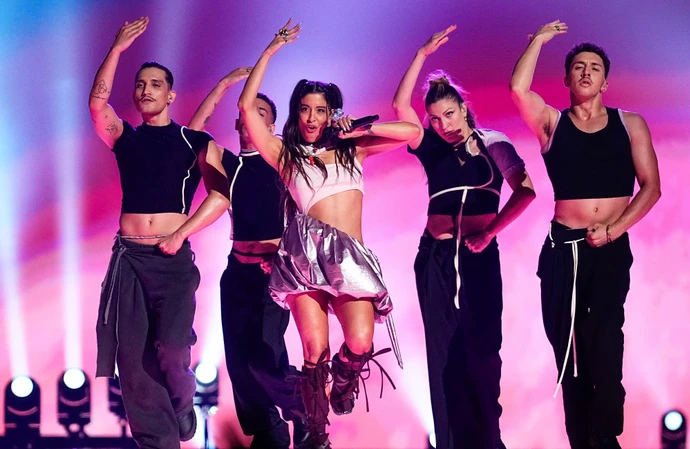
Marina Satti for Greece ESC 2024 / Credit: Getty
The Avant-Garde Urban Sharman!
In 2024, Marina Satti brought a revolutionary, genre-bending energy to the Malmö stage representing Greece with her explosive, experimental hit Zari.
The performance was a masterclass in modern folktronica, fusing traditional Balkan rhythms and Greek zurna horn hooks with heavy trap beats, reggaeton tempos, and a daring, one-shot camera choreography that captured the raw grit and vibrant pop energy of urban Athens.
Already a highly respected pioneer of the Greek alternative scene, Satti used the global exposure to cement her status as an international musical visionary, launching a highly acclaimed European tour and topping global viral charts. The boundary-pushing anthem remains celebrated by fans as one of the most creatively fearless and culturally authentic entries of the decade.
Vesna – My Sister's Crown (Czechia 2023)
The Sisterhood of the Slavic Crown
In 2023, the all-female occult-folk band Vesna brought a striking, ritualistic display of Slavic solidarity to the Liverpool stage, representing Czechia with their powerful anthem My Sister's Crown. Stripping away traditional folklore clichés, the group staged a fierce, minimalist ritual of empowerment centered around the symbolic "corona" (crown), chanting defiant, multilingual spells of unity over thumping, tribal drums and sharp electronic beats.
Dressed in matching, blood-pink garments with long, whipping braids, their synchronised choreography felt less like a pop routine and more like an ancient warrior dance. By blending delicate harmonies with aggressive rap verses, Vesna created a spellbinding folktronic masterpiece that fiercely defended cultural identity, earning Czechia a celebrated Top 10 finish and a permanent place in the contest’s avant-garde history.
Kalush Orchestra - Stefania (Ukraine 2022)
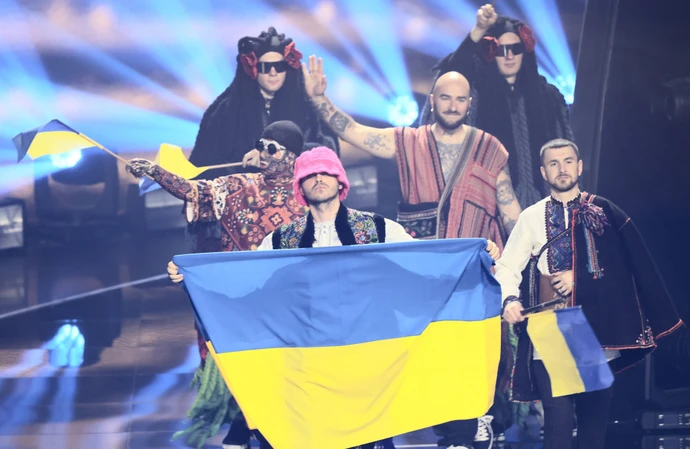
Kalush Orchestra from Ukraine wins ESC 2022 / Credit: Getty
Anthem of resilience
As Russian bombs fell across Ukraine in 2022, Kalush Orchestra stood on the Turin stage, blending hip-hop with traditional Ukrainian folk music in a heartfelt tribute to mothers and to a nation under siege.
Stefania’was a resistance anthem that turned the contest into a referendum as viewers across the continent stood in solidarity with Ukraine, voting not just for the music but for Ukraine’s survival, handing the country a landslide win of 631 points and a platform to shout.
It was the most overly political moment in Eurovision history underscoring the contest’s roots: music as unity, identity as protest.
Efendi - Mata Hari (Azerbaijan 2021)
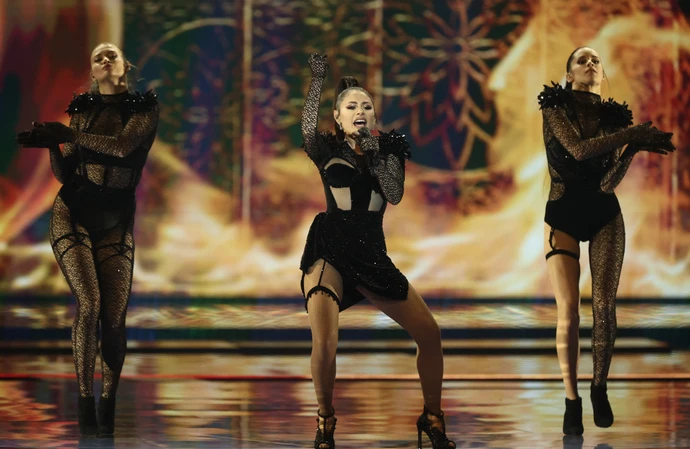
Efendi from Azerbaijan at ESC 2021 / Credit: Gety
Snake Charming Queen!
In 2021, Samira Efendi brought a spellbinding, high-octane energy to the Rotterdam stage representing Azerbaijan with her fierce electronic ethno-pop anthem Mata Hari.
The performance seamlessly layered traditional Azerbaijani instrumentation - including the hypnotic plucking of the oud and the balaban woodwind - over a heavy, contemporary club beat, while Efendi and her dancers performed a sharp, venomous choreography backed by visuals of a massive, pulsing neon snake.
Following her grand final appearance, Efendi solidified her status as a prominent figure in the Azerbaijani pop scene, continuing to merge modern commercial dance music with her country's rich musical heritage. The slick, addictive banger remains a massive favourite for fan-choreography challenges and Euroclub dance floors across the globe.
Donatan & Cleo – My Słowianie / We Are Slavic (Poland 2014)
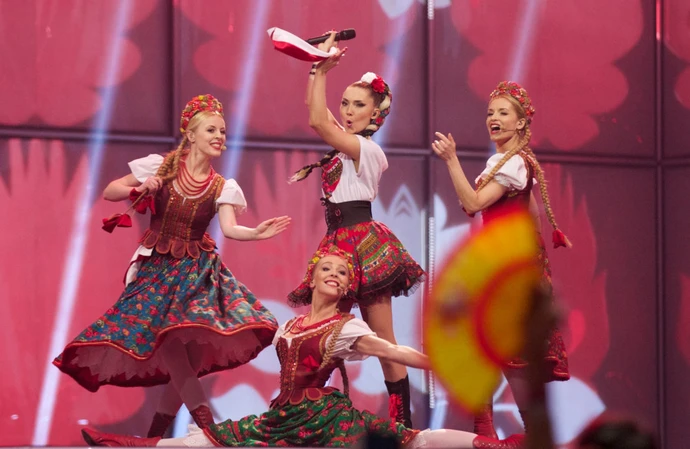
Donatan and Cleo for Poland at ESC 2014 / Credit: Getty
Milking it!
In 2014, producer Donatan and vocalist Cleo brought a riotous, unforgettable energy to Copenhagen representing Poland with their satirical hip-hop and ethno-dance hybrid My Słowianie - We Are Slavic. The performance mixed traditional Polish folk vocal melodies with heavy, contemporary hip-hop beats, instantly going viral for its provocative staging that featured dancers in colorful, traditional folk costumes cheekily re-enacting rural chores like churning butter and washing laundry.
Following their top-five public televote result at the contest, Cleo established herself as one of the most commercially successful pop powerhouses in Poland, securing multi-platinum albums and a long-running coach position on The Voice Kids. Their cheeky cultural anthem remains one of the most culturally striking and endlessly debated moments in modern Eurovision history.
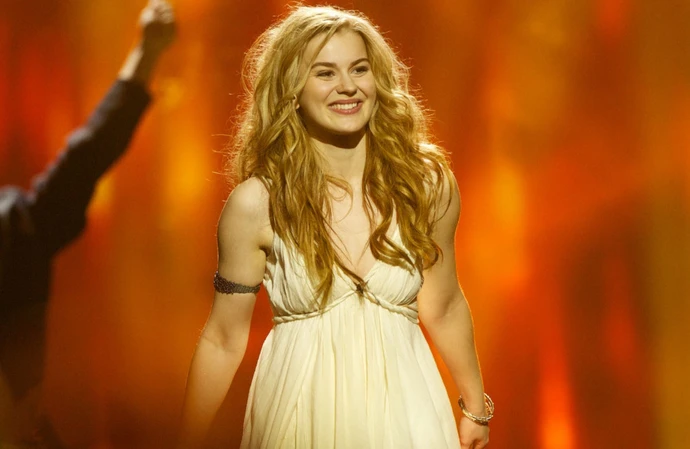
Emmelie de Forest from Denmark at ESC 2013 / Credit: Getty
Channeling the raw, untamed spirit of a mythical woodland nymph, Emmelie de Forest entered Eurovision barefoot and glowing with ethereal charm. Her performance of Only Teardrops was a mesmerising mix of modern pop and folklore that bewitched the audience and transported them into the heart of Scandinavia’s mystical landscapes.
Emmelie opened with a haunting, ancestral pennywhistle hook before erupting into heavy, tribal military drumming and a dramatic cascade of spark fountains. By masterfully contrasting her delicate, breathy vocals against aggressive, thumping rhythms, she delivered a triumphant anthem of heartbreak and resilience.
Her haunting vocals and earthy presence created a winning combination, proving that magic doesn’t always need flashing lights.
Eleftheria Eleftheriou - Aphrodisiac (Greece 2012)
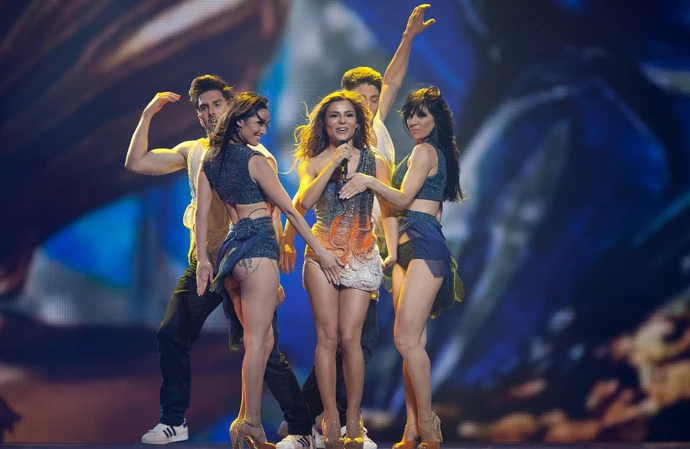
Eleftheria Eleftheriou from Greece at ESC 2012 / Credit: Getty
The Awakening of Aphrodite!
In 2012, Eleftheria Eleftheriou, a Cypriot-born singer, brought her infectious energy to the Baku stage representing Greece with the pulsing, high-tempo ethno-pop track Aphrodisiac. The performance paid homage to the ancient Greek goddess of love, featuring traditional Mediterranean string arrangements fused with a hyper-kinetic dance routine that saw Eleftheria and her dancers commanding a stage illuminated by a giant, golden seashell.
Eleftheria leveraged the contest to launch a successful career across the Greek and Cypriot entertainment landscapes, expanding her portfolio into acting and television, while consistently releasing vibrant summer club tracks. The seductive banger remains a staple dance floor filler among Eurovision enthusiasts.
Ruslana - Wild Dances (Ukraine 2004)
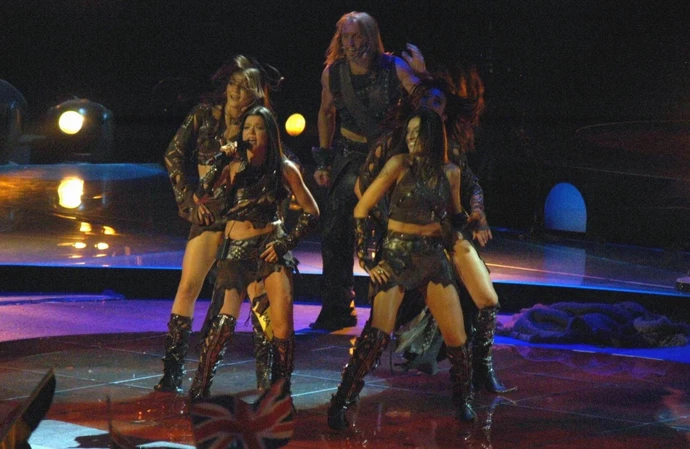
Ruslana from Ukraine at ESC 2004 / Credit: Getty
In 2004, pop icon Ruslana brought a savage, ground-breaking energy to Istanbul, securing Ukraine’s first-ever Eurovision victory with her explosive tribal anthem Wild Dances. Inspired by the ancient, musical traditions of the Hutsul people of the Carpathian Mountains, the performance layered the distinct, echoing sounds of traditional trembita alpine horns over an aggressive, thumping 2000s club dance beat. Dressed in fierce, warrior-like leather and fur costumes, Ruslana and her dancers delivered a hyper-kinetic, high-impact choreography that famously cracked the stage’s glass flooring.
The historic victory propelled Ruslana into international stardom and established her as a prominent cultural and political ambassador for Ukraine. Her timeless, high-octane performance remains celebrated by fans as the blueprint that paved the way for ethnic-dance music in the modern contest.
Sertab Erener - Everyway That I Can (Turkey 2023)
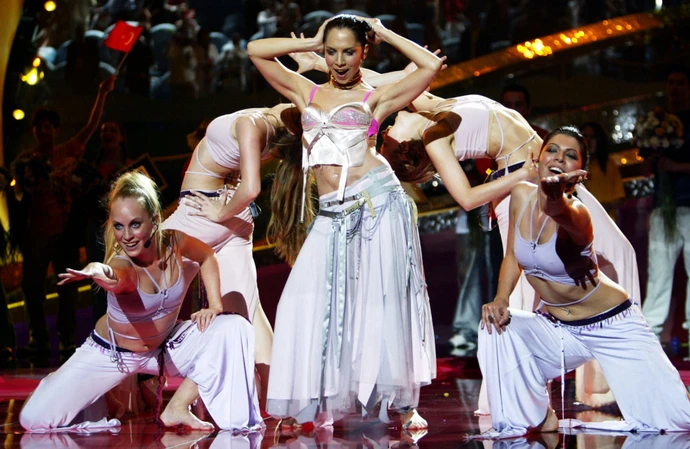
Sertab Erener from Turkey at ESC 2003 / Credit: Getty
In 2003, Sertab Erener became Turkey's first winner with Every Way That I Can. It was a moment of cultural assertion for a country straddling two continents, blending East and West. Clad in chiffon and flanked by a hareem of seductive belly dancers, Sertab shimmied along with hypnotic precision.
Turkey’s layered, often-contested identity was suddenly front and centre on Europe’s biggest stage, not diluted but amplified. This performance didn’t just win the competition, it etched itself into Eurovision history, remaining one of the most iconic and adored amongst fans.