
Why Vinyl Listeners Are Upgrading Their Home Setup in 2026
Vinyl records, which the music industry had essentially written off by the mid-1990s, have now outsold CDs for multiple consecutive years, but how can you upgrade your home setup?
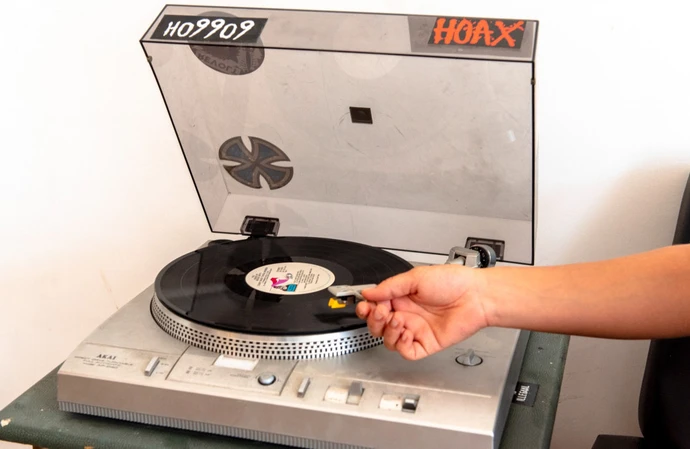
Something has been quietly happening in living rooms and home listening spaces over the past several years. Vinyl records, which the music industry had essentially written off by the mid-1990s, have now outsold CDs for multiple consecutive years. According to RIAA revenue data, vinyl LP sales have grown every year for nearly two decades, representing one of the most sustained format revivals in the history of recorded music. What is less discussed, though, is what this revival has done to how people actually listen.
The first wave of returning vinyl listeners largely bought cheap, all-in-one record players: the kind with a built-in speaker, a plastic needle, and a lid that doubles as a dust cover. These sold in enormous numbers as gift items and novelty purchases. Most of them sound terrible. The needle tracks too heavily, the built-in speaker colours the sound beyond recognition, and the experience bears almost no resemblance to what vinyl is actually capable of.
The Second Wave: Listeners Who Want to Hear the Difference
What has changed more recently is the emergence of a second, more serious wave of vinyl listeners. These are people who have moved past the novelty stage and want to understand why vinyl sounds different, and how to get the most out of it. They are spending more carefully and researching their purchases properly. They are not necessarily audiophiles in the traditional sense: they are not spending thousands of pounds on reference-grade equipment. But they are buying well-reviewed turntables, quality cartridges, and increasingly, standalone phono preamps.
That last category is where much of the growth in vinyl-related equipment has been concentrated. A phono preamp, also called a phono stage, is the device that amplifies the very weak signal a turntable cartridge produces and applies the RIAA equalization curve that makes records play back with correct tonal balance. Without one, a turntable produces almost no usable output. Most entry-level turntables include a basic built-in version, but the difference between a built-in preamp and even a modestly priced standalone unit is immediately audible: a lower noise floor, cleaner high-frequency detail, and bass that feels controlled rather than woolly.
For anyone setting up or upgrading a vinyl system in 2026, understanding what the best phono preamp options are at each price point has become as important a decision as choosing the turntable itself. The market has expanded significantly, with strong options now available from Pro-Ject, iFi, NAD, and Cambridge Audio ranging from around $149 to $800, each suited to different cartridge types and system configurations.
Why the Room Matters as Much as the Equipment
One of the more interesting aspects of the current vinyl revival is how much attention listeners are paying not just to the equipment in their chain, but to the environment in which they listen. Early adopters of streaming were content to listen on laptops and phone speakers. The vinyl listener by contrast tends to be someone who has made a conscious decision to engage with music more deliberately: to sit down, place the needle on a record, and listen without distraction.
This shift in listening behaviour has produced a noticeable effect on the broader audio equipment market. Sales of quality bookshelf speakers and powered monitors have grown alongside turntable sales, as new vinyl listeners discover that the format rewards good playback equipment in a way that compressed streaming audio simply does not. A well-pressed vinyl record through a decent phono stage and a quality pair of speakers is a genuinely different listening experience from the same album on a streaming platform, even a lossless one.
What This Means for Artists
For artists and labels, the sustained vinyl revival represents something more than a nostalgia play. It represents a listener who pays attention. The person who spends time choosing a good turntable, researching their phono stage options, and selecting speakers carefully is also the person most likely to listen to an album from beginning to end rather than skipping between tracks. They are the person most likely to read the liner notes, to seek out limited pressings, and to spend money on live shows.
The vinyl revival, in other words, has produced a generation of the most engaged music listeners the industry has seen in decades. That is good news for artists, good news for independent labels, and good news for anyone who believes that music is worth listening to properly.