
Nul Points! What the hell just happened? The UK entries that flopped in the Eurovision Song Contest
Does the UK have what it takes to win at the Grand Final of the Eurovision Song Contest on Saturday (16.05.26) , or will they remain at the bottom of the leader board?
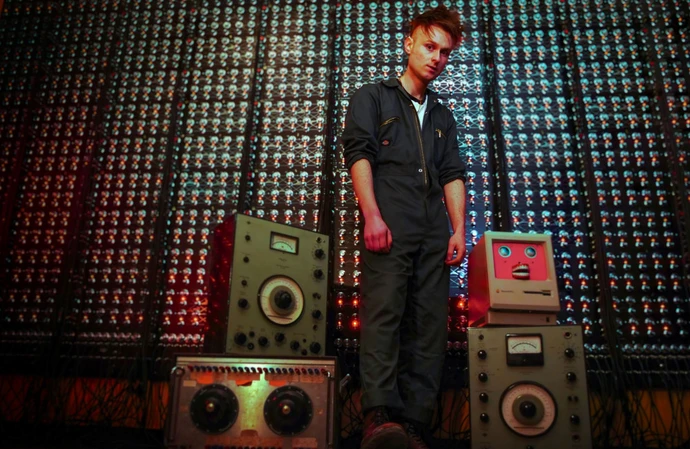
The 70th Eurovision Song Contest is almost upon us.
Look Mum No Computer will represent the United Kingdom at the Grand Final which will take place at Wiener Stadthalle in Vienna, Austria, on Saturday (16.05.26).
The electronic artist, real name Sam Battle, dropped his gloriously kitsch techno anthem Eins, Zwei, Drei, which feels tailor made for the Eurovision arena.
Europe may be buzzing with this bonkers, neon-soaked homage to '90s Euro-rave culture, but the question on everyone’s mind remains…
Will this bold new direction bring the trophy home, or risk joining the ranks of the dreaded “nul points”?
For decades, the United Kingdom has been one of the most committed participants in the Eurovision Song Contest, having taken part over 60 times.
Since its debut in 1959 in Basel, Switzerland, it has maintained one of the longest uninterrupted participation streaks in the contest’s history.
The UK’s track record includes five victories - in 1967, 1969, 1976, 1981, and 1997 - and it has hosted the competition a record nine times, cementing its place at the heart of Eurovision tradition.
Alongside these triumphs - such as Bucks Fizz’s unforgettable win with Making Your Mind Up in 1981 - and near-glory moments like Sam Ryder’s soaring second-place finish with Space Man in 2022 with 466 points, there have also been years when the UK has struggled to connect with Europe.
In the most brutal instances, the UK has received the infamous “nul points”, a complete absence of votes from both juries and the public, placing it firmly at the bottom of the scoreboard and reminding viewers just how unpredictable Eurovision can be.
These are the acts that achieved the unwanted feat...
Remember Monday: What The Hell Just Happened? - 2025
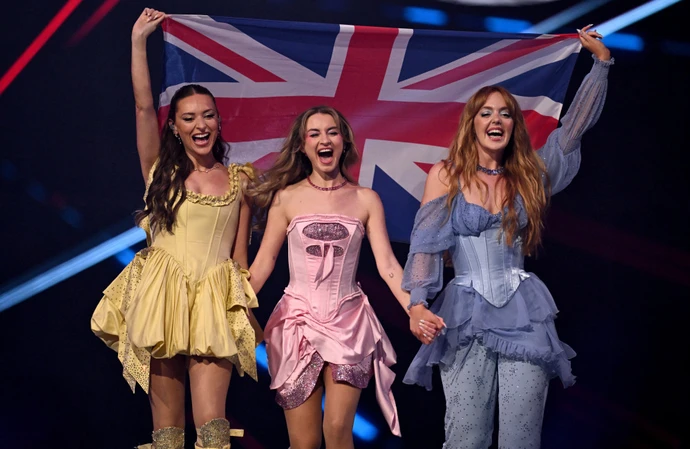
Remember Monday // Eurovision 2025
Musical theatre trio Remember Monday managed an impressive average score of 88 points, but, in a now painfully familiar twist, picked up zero points from the public televote for the second year running.
Performing in Basel, Switzerland, Lauren Byrne, Holly-Anne Hull, and Charlotte Steele delivered their impeccably polished, squeaky-clean musical theatre number What The Hell Just Happened?. A title that, judging by Europe’s collective response, doubled as an audience review.
Viewers across the continent were apparently left with the same question… followed quickly by a strong desire to politely forget the whole thing ever happened.
While the performance was slick and vocally impressive, many felt the squeaky-clean style played it too safe and was better suited for the West End than the Eurovision stage. Like they wandered into rehearsals on the wrong continent and refused to lean into the chaos.
Olly Alexander: Dizzy - 2024
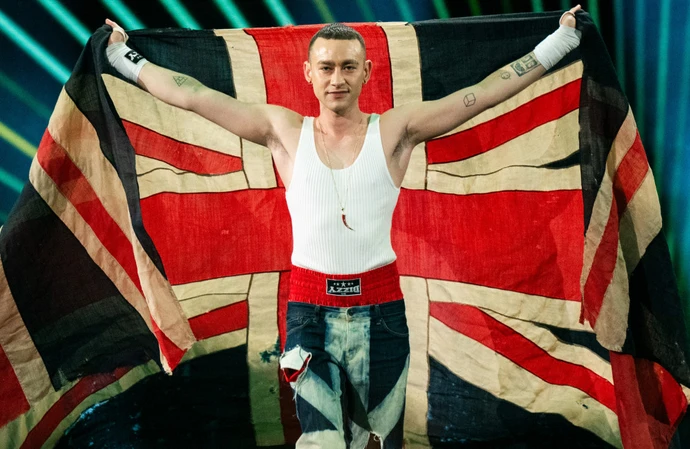
Olly Alexander // Eurovision 2024
The Years and Years frontman brought Dizzy to Malmö, Sweden, and delivered another familiar UK Eurovision story...zero points from the public vote, while picking up all 46 points from the juries to finish 18th overall.
Perfection is not just about control. It's also about letting go.
This was another example of why people should lean into Eurovision absurdity instead of playing it safe.
True mastery requires balancing discipline with spontaneity, surrender, and acceptance.
Because while the production was faultless - polished, precise, and clinically well-lit - it lacked any real luster when it mattered.
Even Dizzy didn’t really live up to the name. More carefully constructed than captivating, more well-executed staging exercise than anything that actually spun the room.
In short: it looked great, sounded fine, and still didn’t make anyone feel remotely dizzy.
James Newman: Embers - 2021
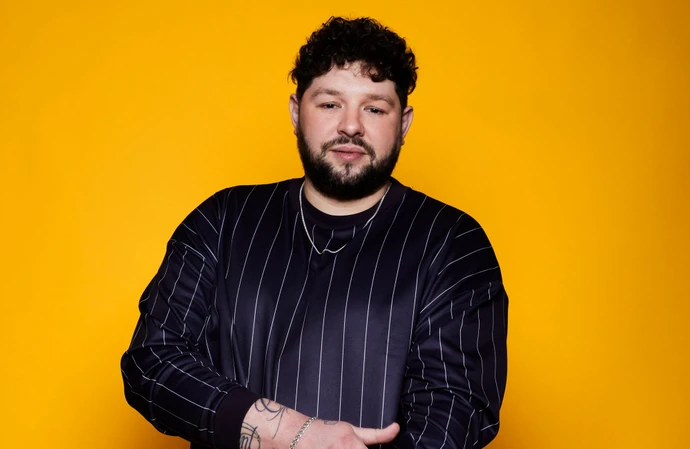
James Newman // Eurovision 2021
James Newman took Embers to Rotterdam, Netherlands and somehow managed to turn a song about fire into something the entire scoreboard immediately decided to extinguish.
In a bit of unwanted Eurovision history, Embers became the first UK entry under the post-2016 system to land a full “nul points” from both jury and public.
It’s called Embers, but this wasn’t a slow burn or a roaring comeback. It was more like: someone politely checking the flame, deciding it was already out, and moving on.
Don't reignite this flame, just put the fire out.
Jemini: Cry Baby - 2003
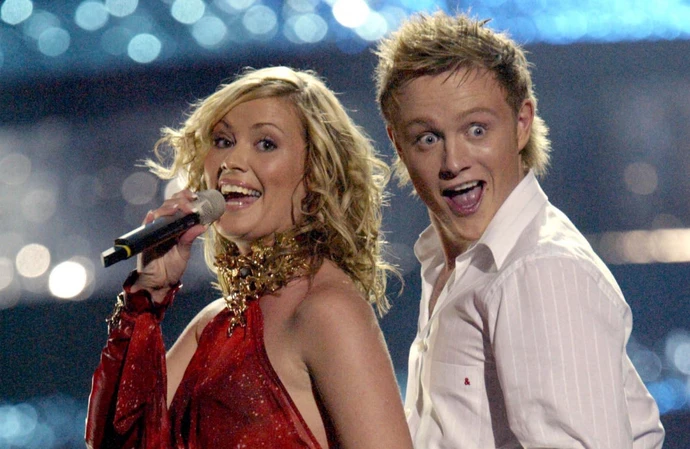
Jemini // Eurovision 2003
The nation collectively winced as Jemini performed Cry Baby in Riga, Latvia. A title that, in hindsight, may have been less a song choice and more a live reaction.
It infamously delivered the UK’s first-ever nul points, a moment so complete in its rejection it felt almost artistically intentional.
The performance itself went down in Eurovision history as one of those ..."you had to be there to witness it", (unfortunately, we were) entries, with the kind of off-key delivery that didn’t just miss the note, but seemed to actively avoid it.
Despite the international outcome, the song still somehow crawled into the UK Top 15 afterwards. Proof that national resilience sometimes looks like briefly pretending none of it happened.
The duo later blamed technical issues and not being able to hear the backing track, an explanation that has since become less a defence and more a cherished piece of Eurovision folklore.
If you say so...we’ll accept that excuse as the performance is Euro-visionary.