
Pop
Village People frontman Victor Willis dies aged 74 after 'short but aggressive illness'
The YMCA and Go West hitmaker passed away on Tuesday (30.06.26).
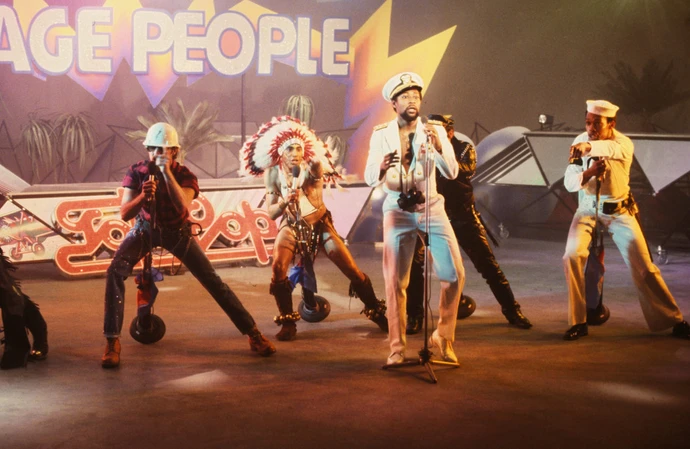
Victor Willis - the powerhouse vocalist who fronted Village People and helped turn YMCA into a global disco anthem - has died at the age of 74 after what his family described as a “short but aggressive illness”.
His death was confirmed on Tuesday (30.06.26) by both his relatives and the band, marking the loss of the last original member still performing with Village People. Willis had rejoined the group in 2017.
In a message posted to the group’s official Facebook page, the band said they were “profoundly sad” to share the news, adding that the family was asking for privacy. His wife, Karen Huff‑Willis, issued her own statement echoing the announcement and describing the family’s grief.
Willis was born in Dallas, Texas, and first found his footing in music through the gospel choir at his father’s church. He later moved into theatre, appearing in the original Broadway run of The Wiz, before teaming up with French producer Jacques Morali in 1977 to form Village People - named after New York’s Greenwich Village.
The group became one of disco’s defining acts, known for their flamboyant characters, dance‑floor hooks and instantly recognisable routines.
Willis co‑wrote YMCA, released in 1978, which became a cultural phenomenon and remains one of the most famous pop songs ever recorded. Village People followed it with hits including Macho Man, Go West and In the Navy, cementing their place in music history.
Willis stepped away from the group in 1980 but later returned, eventually becoming the sole founding member in the touring line‑up.
Away from the stage, he fought a long legal battle to reclaim his songwriting rights, winning a landmark copyright ruling in 2012 that restored ownership of several major Village People tracks, including YMCA and Go West.
In recent years, YMCA found renewed attention after being used prominently at Donald Trump’s rallies, prompting debate about the song’s meaning. Willis rejected claims that it was a “gay anthem” and warned he would pursue legal action against outlets repeating the description.
Across nearly five decades, Willis helped create some of pop’s most enduring and joyful songs - a legacy that continues to echo on dance floors around the world.