
From Concert Stages to Screens: How Lighting Sets the Mood
What impact does lighting have the live entertainment experience?
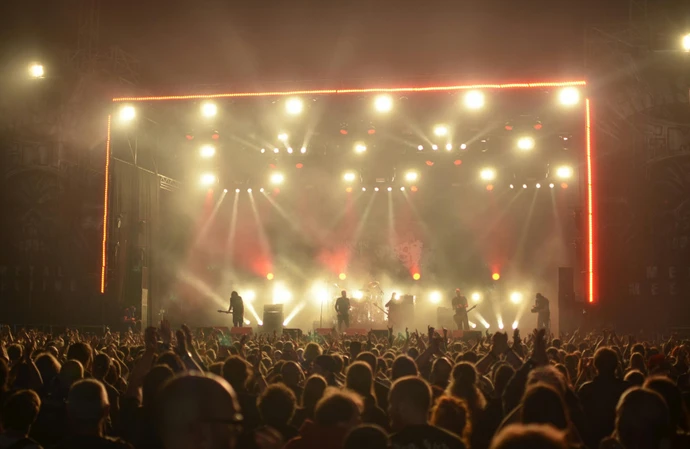
Lighting has been and always will be one of the most crucial and most powerful elements of live entertainment. Even before the first note is played, the radiance of bright stage lighting or even the quick flash of a spotlight can convey a litany of emotions. From concert halls and theatres to the screens of the smartphones that we carry in our pockets, lighting has and always will play a crucial role in how audiences feel, react, and even remain engaged with what they are watching.
When it comes to concert stages, the lighting is pretty much its very own language. A deep red flood can heighten something like a dramatic guitar solo while cooler colours like blues and purples might accompany something slower or more reflective. Artists and lighting designers tend to work with one another to choreograph colours, strobes, and shadows, to move in time with the music and performance so that fans in the crowd can have the most memorable experience possible.
Theatre and film tend to take a similar approach as well with lighting. Thrillers tend to use high-contrast lighting for thrillers to build suspense while softer, warm tones in romantic scenes build up a sense of closeness. Directors of photography focus a lot on these moments, because where the light falls tends to be just as important as where it doesn’t. Think about shadows, they can suggest mystery danger while evenly lit scenes can feel very safe and open.
While entertainment shifts more and more toward digital platforms, these same lighting principles have followed. Streaming content, interactive media, and even video games all rely heavily to guide attention and mood. Subtle glows are able to highlight important things on screen, while flashes and pulses can help direct players or signal heightened moments. Even if they’re for made-up locations with digital people, lighting is still a key emotional driver.
Casual digital entertainment is also concerned with the right level of lighting to create the right kind of atmosphere and pace for the entertainment. Formats like online pokies, for example, rely very heavily on these kinds of effects. While the lights, animations, and colours are not simply for show, they are intended to create an exciting environment for the player.
What’s really interesting with lighting in these mediums is the way they closely resemble the live experience. Much like the lighting equipment used for concerts would change to the beat of the drums, lighting can change instantly in response to human interaction. If the audience remains emotionally engaged, then the job has been accomplished. It doesn’t matter if the band is performing under the spotlight or interacting with the game designed for short play sessions – lighting remains an important factor. It acts as a silent guide.
Though technology advances, lighting designs are bound to become more sophisticated. Screen resolutions, animations, and real-time rendering technology are advancing, and these experiences are borrowing more than ever from the world of live performances. From the stage to the screen, lighting will always remain a vital part of the story, not requiring a word to make an impact.